
Durability of superhydrophobic surfaces (SHPSs) in operational conditions represents a bottleneck for the transfer of this technology from laboratory to industrial applications. Also, when exposing to electrical discharges, the surface might lose its hydrophobicity due to surface oxidation.
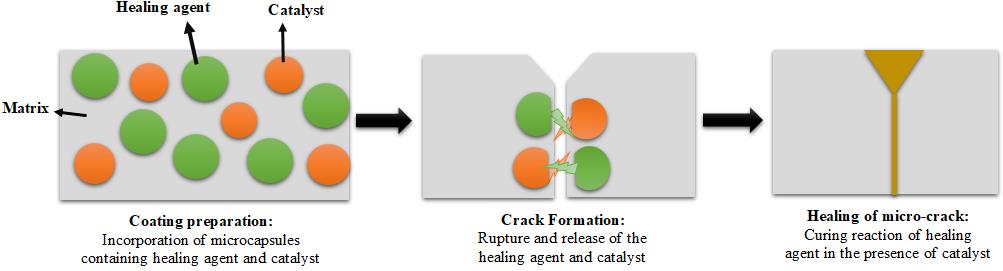
Therefore, one of the methodologies to encounter these problems is to fabricate a coating capable of regenerating or recovering its superhydrophobicity in time. Also, mechanical cracks and defects are of potential sites for ice formation and pollution accumulation and convectional repairing methods are not usually effective during the service life of many surfaces. Thus, introduction of self-healing mechanisms into polymeric coatings can help extending the working life and safety of the superhydrophobic coatings. This project is defined as an academic-industry collaboration to develop a durable self-healing superhydrophobic coating for high voltage outdoor insulators for Hydro Québec porcelain insulator sector.

